The Essential Fall Home Maintenance
A veteran contractor's time-sensitive fall maintenance guide to prepare your home for freezing temperatures and winter storms.
Vellure® Door Draft Stopper for Bottom of Door - Premium Door Sweep for Bottom of Door/Weather Stripping Door Seal (Save Energy – installs Quickly and Easily) Door Strip Ideal for
Vellure
I’ve spent over two decades swinging a hammer and fixing homes that weren’t prepared for the cold. When the first frost hits, the clock runs out on cheap preventative maintenance, and you enter the expensive season of emergency repairs. You don’t want to be the homeowner paying premium rates for a burst pipe at midnight because you skipped a thirty-minute fall checklist.
This is your time-sensitive guide to buttoning up your house. Do these tasks now, while the weather is still forgiving, to save yourself thousands of dollars in winter-related damage.
1. Shut Off and Drain Exterior Plumbing
Water expands when it freezes. If that water is inside your pipes, something has to give, and it’s usually the copper or PEX lines running to your outdoor faucets.
- Locate your interior shut-off valves for all exterior faucets.
- Turn off the water supply.
- Go outside and open the exterior faucets to drain the remaining water.
- Leave the exterior valve open throughout the cold season.
- Disconnect, drain, and store all garden hoses indoors.
2. Inspect and Clean Your Gutters
Leaves and pine needles are the enemies of a dry basement. When gutters clog, rain and snowmelt spill over the edges, pooling directly against your foundation instead of being directed away. Once that water freezes and thaws against your concrete, it forces its way into micro-cracks and eventually into your basement.
While you are up on the ladder, inspect the roof for missing or damaged shingles. Fall is the last reasonable time to patch your roof before ice dams exploit those weaknesses.
3. Seal the Envelope: Windows and Doors
Drafts don’t just make you uncomfortable; they make your HVAC system work overtime. Go around your home and check the weatherstripping on all exterior doors. If you can see daylight around the perimeter of the door, or if the rubber seal feels brittle and cracked, rip it out and replace it.
Apply exterior caulk to any gaps around window frames. Don’t use standard interior caulk—you need a high-quality exterior grade silicone or polyurethane that can flex with temperature changes. For the bottom of exterior doors, a door draft stopper seals the gap that weatherstripping alone often misses.
Vellure® Door Draft Stopper for Bottom of Door - Premium Door Sweep for Bottom of Door/Weather Stripping Door Seal (Save Energy – installs Quickly and Easily) Door Strip Ideal for
Vellure
- BLOCK DRAFTS EFFECTIVELY - High-quality door draft stopper made from industry-grade silicone with exceptionally strong a…
- SAVE MONEY AND ENERGY - Our bottom door seal blocks thermal bridges effectively. This under door seal perfectly blocks b…
- INSTALLS IN UNDER 1 MINUTE - To install our door draft stopper just clean the door surface, pull back the adhesive strip…
- PERFECT FOR ANY SURFACE - Our special exceptionally strong adhesive works on any surface. It offers a rock-solid grip. O…
As an Amazon Associate we earn from qualifying purchases.
4. Service the Heating System
Do not wait until the first sub-zero night to find out your furnace has a cracked heat exchanger or a failing blower motor. HVAC technicians get booked weeks in advance as soon as the temperature drops.
- Swap out your HVAC filters. A clogged filter chokes your blower motor and significantly reduces heating efficiency.
- Test your thermostat to ensure it communicates properly with the furnace.
- If you have a boiler, bleed the radiators to remove trapped air.
- Schedule a professional tune-up if you haven’t had one recently. A pro will check for carbon monoxide leaks, which is non-negotiable for safety.
5. Prepare the Yard and Power Equipment
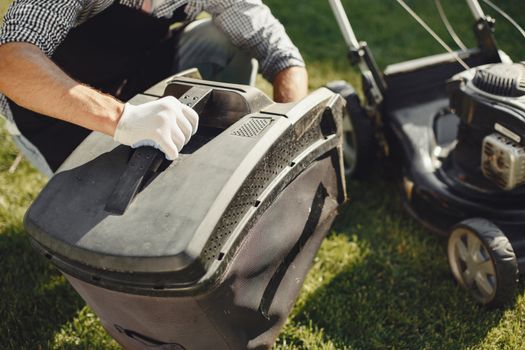
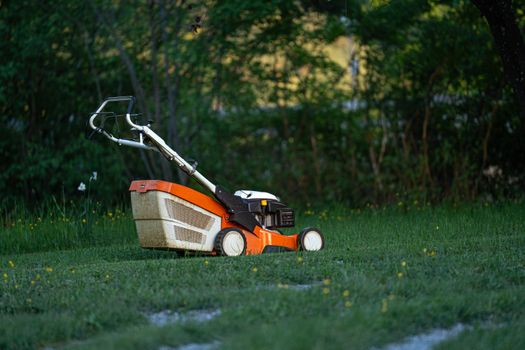
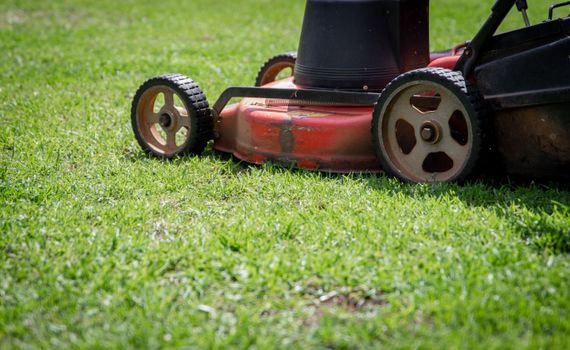
Your lawnmower and string trimmer need to be winterized. If you leave ethanol-blended fuel in a small engine over the winter, it will attract moisture and gum up the carburetor, guaranteeing a frustrating start in the spring.
- Run the lawnmower until the gas tank is completely empty, or add a fuel stabilizer and run it for five minutes to circulate the treated fuel.
- Rake leaves or mulch them into the lawn. A thick mat of dead leaves will suffocate your grass under the snow and promote fungal diseases.
- Trim tree branches that overhang your roof. Ice storms add tremendous weight to limbs, and a broken branch crashing through a window or tearing off your gutters is an expensive wake-up call.
Take the time now. A few weekends of preventative maintenance will lock down your home, protect your investment, and give you peace of mind when the winter weather sets in.
Frequently Asked Questions
Q: When should I shut off exterior faucets?
A: Before the first hard freeze. Shut off the interior valve, open the exterior faucet to drain it, and leave it open all winter. Disconnect and store hoses so trapped water can’t freeze and split the line.
Q: Why do clogged gutters cause basement leaks?
A: Clogged gutters make rain and snowmelt spill over the edge and pool against the foundation. Freeze-thaw cycles force that water into micro-cracks in the concrete, and eventually into your basement.
Q: Can I leave gas in my lawnmower over winter?
A: Not without treatment. Ethanol-blended fuel attracts moisture and gums up the carburetor. Either run the tank dry or add fuel stabilizer and run it for five minutes so the treated fuel circulates.
Q: What’s the most important winter-safety check?
A: Test your carbon monoxide detectors. With windows sealed and the heat running, CO is a real risk — replace batteries and confirm the detectors work before you button the house up.