Comprehensive 30-Day Decluttering Challenge
Transform your home from chaotic to calm in just one month with our rigorous, step-by-step 30-day decluttering checklist.
IRIS USA 50 Qt. Long Under Bed Storage Bin with Lids, Clear | Store seasonal clothing, shoes, blankets, linens and household essentials neatly under beds to maximize storage space
IRIS USA
Let’s get one thing straight: clutter isn’t just an eyesore; it’s a drag on your home’s operational efficiency. Whether you’re constantly losing keys or tripping over shoes in the mudroom, disorganized spaces cost you time and mental energy. I’ve seen enough chaotic households to know that wishing for a clean house doesn’t work. You need a systematic, checklist-driven approach to strip away the excess.
That is exactly what this 30-day decluttering challenge delivers. We are breaking down your home zone by zone, task by task. Follow the checklist, maintain discipline, and by the end of the month, your home will run like a well-oiled machine.
Do not skip days or combine multiple heavy tasks into one afternoon. Burnout is the number one reason decluttering projects fail. Stick to the daily protocol.
Week 1: The Kitchen and Command Centers
We start in the highest-traffic areas. The kitchen and entryways are the operational hubs of the home. If these fail, the whole system grinds to a halt.
Day 1: The Refrigerator and Pantry Purge
Check expiration dates ruthlessly. If it’s expired, it’s gone.
Day 2: Utensils and Junk Drawers
You do not need four spatulas and fifty sauce packets.
Day 3: Tupperware and Storage Containers
Mismatched lids are the enemy of an organized kitchen.
Day 4: Under the Sink
Chemicals need to be safe, accessible, and not leaking.
Day 5: The Entryway and Mudroom
This is your staging ground. It needs to be clear of tripping hazards.
Day 6: The Mail and Paperwork Backlog
Paper clutter breeds stress. Digitize what you can, shred the rest.
Day 7: Week 1 Maintenance and Rest
Take a breath. Survey the operational zones you’ve cleared.
Week 2: Living Spaces and Bedrooms
Now we move into the relaxation zones. Clutter here disrupts sleep and downtime. We are optimizing for calm.
Day 8: The Living Room Surfaces
Coffee tables and entertainment centers are magnets for stray items.
Day 9: Media and Electronics
Cord tangles are unacceptable.
Day 10: Nightstands
Your sleeping area needs to be sterile and distraction-free.
Day 11: The Dresser Tops
Stop using the top of your dresser as a laundry basket.
Day 12: The Sock and Underwear Drawer
A micro-organization task that yields daily efficiency gains.
Day 13: The Medicine Cabinet
Expired medications are a safety hazard, plain and simple.
Day 14: Week 2 Maintenance and Rest
You’ve reclaimed the living and sleeping quarters. Maintain the baseline.
Week 3: The Heavy Lifting (Closets and Bathrooms)
This week requires stamina. We are tackling the main storage arteries of the house.
Have heavy-duty trash bags and a dedicated “donate” box ready before starting Week 3. You will need them.
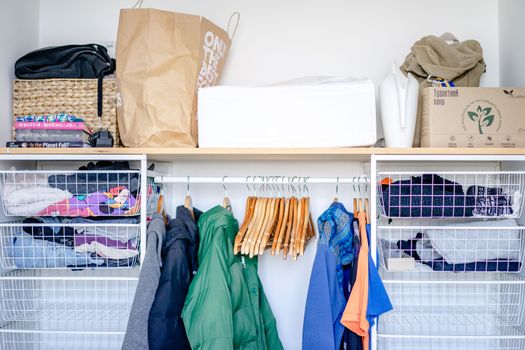
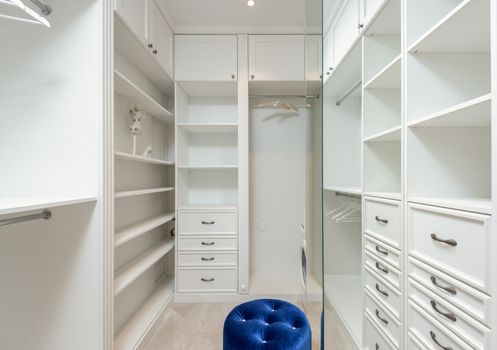
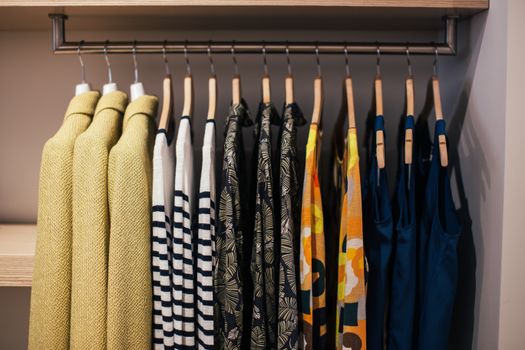
Day 15: The Master Closet (Hanging Clothes)
Be ruthless. If it doesn’t fit, or you haven’t worn it in a year, it leaves the house today.
Day 16: The Master Closet (Folded Items and Shoes)
Shoes take up massive volume. Optimize their footprint.
To keep those remaining clothes protected and categorized cleanly, consider integrating a robust labeling system. It’s an organizer’s secret weapon for long-term operational success.
IRIS USA 50 Qt. Long Under Bed Storage Bin with Lids, Clear | Store seasonal clothing, shoes, blankets, linens and household essentials neatly under beds to maximize storage space
IRIS USA
This under bed buckle up box is perfect for storing seasonal clothes, movies, and more. The clear lid and body allow you to easily identify the contents of each box. These boxes ar…
- GREAT SIZE: We recommend measuring the space under your bed or the items you store to ensure a perfect fit. Inner Dimens…
- SPACE SAVING: These underbed bins are ideal for maximizing storage in tight spaces, especially under your bed by utilizi…
- CLEAR VIEW: Quickly and easily find all your items with the clear view drawer. Organize your closet easily and convenien…
- UNIQUE DESIGN: The sleek and narrow design is perfect for under tight spaces like under beds, or in closet, living room,…
As an Amazon Associate we earn from qualifying purchases.
Day 17: The Linen Closet
You do not need fourteen towels for a family of three.
Day 18: Bathroom Drawers and Vanity
Makeup, old razors, and half-used travel bottles need to go.
Day 19: The Coat Closet
This space often devolves into a black hole for miscellaneous gear.
Day 20: Kids’ Rooms or Guest Rooms
Focus on outgrown items and broken toys.
Day 21: Week 3 Maintenance and Rest
The hardest part is over. Do not let the donation bags sit in the hallway—put them in your car right now.
Week 4: Deep Storage and Final Touches
We are finishing strong in the utility areas. These zones are often ignored, leading to massive, hidden accumulation.
Day 22: The Home Office Desk
A cluttered desk guarantees a fractured focus.
Day 23: Books and Magazines
Printed matter is heavy and takes up premium shelf space.
Day 24: The Laundry Room
Lint, empty detergent bottles, and orphaned socks congregate here.
Day 25: The Garage (Zone 1 - Tools)
Your tools should be ready for deployment, not buried under holiday decorations.
Day 26: The Garage (Zone 2 - Sports and Gear)
Deflated basketballs and broken lawn chairs serve no purpose.
Day 27: Digital Declutter
Your digital environment impacts your mental clarity just as much as your physical space.
Day 28: The Car
Your vehicle is an extension of your home’s operational footprint.
Day 29: Final Sweep
Walk through the entire house. Address any minor stragglers.
Day 30: System Implementation
Decluttering is only half the battle. Now, you must implement a system to ensure the clutter doesn’t return.
You’ve successfully completed the checklist. Your home is now a lean, highly functional environment. Keep it that way.