The Only Realistic Deep Cleaning Schedule You Need
Stop failing at impossible cleaning routines. Here is the operational, realistic deep cleaning schedule used by professionals to maintain a home without burnout.
Most deep cleaning schedules floating around the internet are written by people who don’t actually clean houses for a living. They demand you wash your baseboards every Tuesday and sanitize your ceilings. That’s a joke.
I spent a decade running a professional residential cleaning crew. If you try to do everything every week, you will burn out and do nothing. Here is the operational checklist we used to keep homes structurally sound, hygienically safe, and looking great without the fluff. This is the bare minimum you need to stay ahead of the grime.
The Weekly Triage
You don’t need a deep clean every week. You need triage. Focus on high-traffic zones and areas that harbor bacteria.
The Monthly Deep Dive
Once a month, we tackle the grease, soap scum, and dust that slowly ruins finishes.
The Quarterly Overhaul
This is where most homes fail inspections. Every three months, we go after the unseen filth that degrades your home’s air quality and appliances.
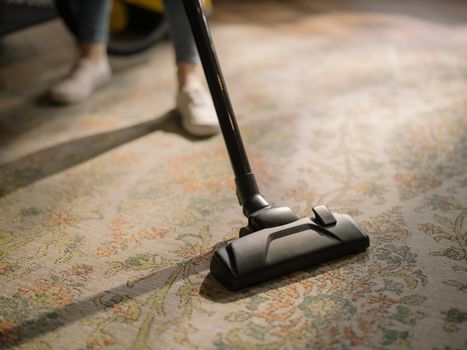
When it comes to extracting years of embedded dirt from carpets and upholstery, you need mechanical extraction, not just a spray bottle and a rag. A carpet cleaning machine with real suction is what pulls the grime and dirty water back out instead of just pushing it around.
The Annual Tear-Down
Do these tasks once a year to protect your property’s value and ensure the major systems in your home are functioning efficiently.
Print this schedule out. Execute the steps. It’s not about achieving absolute perfection; it’s about maintaining a baseline of cleanliness and staying ahead of the decay.
Frequently Asked Questions
Q: How often should I deep clean my home?
A: Break it into tiers. Weekly triage for high-traffic and bacteria zones, monthly for grease and dust, quarterly for hidden filth like appliance coils and windows, and annually for trim, vents, and the water heater.
Q: What’s the most-overlooked quarterly cleaning task?
A: Pulling out the oven and refrigerator to vacuum the coils and mop underneath. Dusty coils make the fridge work harder and shorten its life, and most people never see the grime accumulating back there.
Q: Do I need to deep clean everything every week?
A: No — that’s how people burn out. Focus weekly effort on the kitchen sink and counters, the toilet, floors, and trash. Everything else falls into the monthly, quarterly, or annual tiers.
Q: Why is cleaning the dryer vent an annual task?
A: Lint builds up in the duct from the machine to the outside wall, and it’s a leading cause of house fires. An annual cleaning keeps airflow strong and removes the fire hazard.