Spring Cleaning Shortcuts That Actually Work
A no-nonsense, urgent guide to spring cleaning your home and patio. Time-saving shortcuts for preventative maintenance and exterior triage.
Bayes High Performance Teak Cleaner & Restorer - Cleans, Shines, and Protects - Maintains Fine Teak and Restores Neglected Teak - 16 oz, 2 Pack
Bayes
When the frost finally breaks, everyone rushes to their local hardware store, buys twenty different useless chemical sprays, and wastes an entire weekend scrubbing things that don’t need scrubbing. I’ve seen homeowners burn themselves out by Saturday afternoon because they started with the wrong tasks.
If you want to protect your home’s exterior and get your living space ready for the warm months, you need a targeted strike, not a blanket assault. Stop wasting time on the busywork. Here are the professional spring cleaning shortcuts that actually move the needle on your home’s maintenance.
The Exterior Triage: Focus on High-Value Assets
The biggest mistake you can make is treating your expensive outdoor investments like cheap plastic. After months of sitting under snow or heavy rain, your patio furniture and decking are going to look awful. Your first instinct will be to blast it with a pressure washer. Don’t. High pressure will tear the wood fibers right out of your expensive teak and mahogany pieces, leaving them vulnerable to rot.
Instead, use a chemical shortcut that actually preserves the wood. Teak, in particular, requires a specific approach. It’s a dense, oily wood that resists rot naturally, but it will turn a dull, ugly gray and harbor mildew if left to the elements.
Using a specialized teak cleaner isn’t just about aesthetics; it’s preventative maintenance. It strips the oxidized layer and winter grime without gouging the wood.
Bayes High Performance Teak Cleaner & Restorer - Cleans, Shines, and Protects - Maintains Fine Teak and Restores Neglected Teak - 16 oz, 2 Pack
Bayes
- The Bayes Teak cleaning solution deeply penetrates and protects the wood from getting dry, cracked, stained, spotty or g…
- Easy maintenance for Fine Teak Furniture. Even old and neglected teak can be beautifully restored back to a beautiful fo…
- Protect Your Investment. Oil based formula cleans, shines & protects teak & wood furniture, fixtures and surfaces, easil…
- Enriched with lemon and essential oils, which naturally nourish, protect and seal the surface against moisture, UV light…
As an Amazon Associate we earn from qualifying purchases.
Apply the cleaner, let it sit for the recommended time to break down the buildup, and gently scrub with a soft-bristle brush. Rinse with a standard garden hose. You just saved yourself hours of sanding and extended the life of your furniture.
Gutter Clearance: The Preventive Strike
Don’t wait until a heavy spring downpour to find out your gutters are clogged with winter debris. Water backing up into your fascia boards will rot out your roofline faster than you can imagine. The shortcut here isn’t a magical tool; it’s timing.
Get up on a stable ladder when the debris is dry. Scooping out dry leaves takes a fraction of the time compared to fighting with wet, heavy sludge. If you wait until after the first big spring rain, you’ve doubled your workload and risked water damage to your home’s foundation.
Window Tracks: The Vacuum Hack
People spend hours wiping down the glass, completely ignoring the window tracks. Then, the first time they slide the window open, a breeze blows a winter’s worth of dead bugs and dirt right onto their freshly cleaned floors, or worse, the debris damages the track mechanisms.
The shortcut? Before you touch a drop of glass cleaner, take a dry, stiff paintbrush and loosen the dirt in the window tracks. Follow immediately with your vacuum’s crevice tool. Only after the loose debris is gone should you go in with a damp rag. If you introduce water to that track dirt first, you’re just making mud, and mud is infinitely harder to clean out of tight corners and moving parts.
Stop Making Mud on Your Floors
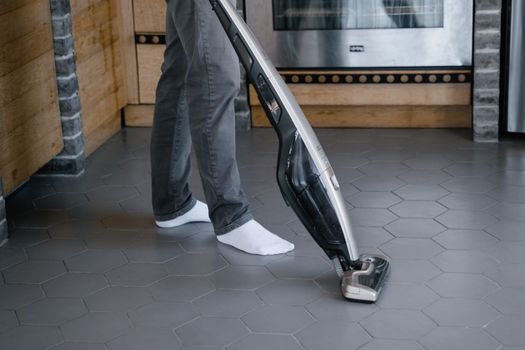
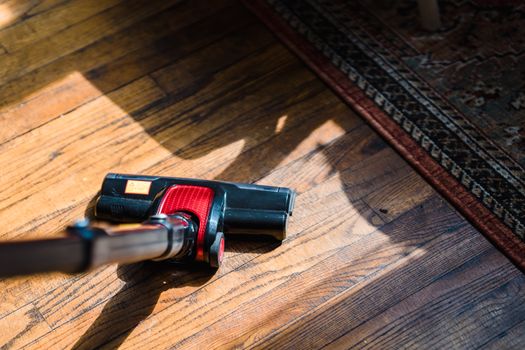
The same logic applies to your hard floors. During spring cleaning, the urge to immediately grab a mop is strong. But after winter, your floors are covered in microscopic salt, grit, and sand tracked in from outside.
If you mop without a heavy-duty dry sweep or vacuum first, you are essentially creating a sandpaper-mud slurry and grinding it into your floor’s finish. Vacuum thoroughly—twice. Mop once. That’s the shortcut to keeping your floor finish intact and preventing premature wear. Time is ticking—get these structural and exterior jobs done before the weather turns, or you’ll be paying for repairs instead of enjoying the season.
Frequently Asked Questions
Q: Should I pressure wash my patio furniture in spring?
A: No. High pressure tears the wood fibers out of teak and other hardwoods, leaving them vulnerable to rot. Use a soft-bristle brush and a dedicated wood or teak cleaner instead.
Q: When is the best time to clean gutters?
A: When the debris is dry, before the first heavy spring rain. Dry leaves scoop out fast; wet sludge is heavy and doubles your workload.
Q: Why clean window tracks before the glass?
A: If you wipe the glass first and then disturb the tracks, dirt blows back onto your clean windows. Loosen track dirt with a dry brush, vacuum it with the crevice tool, then wipe with a damp rag.
Q: Why vacuum twice before mopping in spring?
A: Winter leaves salt, grit, and sand on floors. Mopping over it creates an abrasive slurry that grinds into the finish. A thorough dry sweep or vacuum first protects the floor.