How to Clean Blinds and Window Treatments Without Ruining Them
Stop pushing dust around. Learn the exact, professional methods to clean your blinds, shades, and curtains without causing permanent damage.
Hiware Window Blind Cleaner Duster Brush with 5 Microfiber Sleeves - Blind Cleaner Tools for Window Shutters Blind Air Conditioner Jalousie Dust
HIWARE
I’ve walked into countless homes and seen the exact same tragedy: thousands of dollars spent on custom window treatments, slowly being destroyed by aggressive, misinformed cleaning habits. Pushing a wet rag across dusty blinds doesn’t clean them—it just creates a layer of sticky mud that bonds to the material.
Cleaning blinds and window treatments is an exercise in restraint. The goal is to lift the dust off, not grind it in. Here is exactly how to clean your window coverings correctly, broken down by material.
The Cardinal Rules of Blind Maintenance
Before we get to the specific materials, let’s establish some baseline ground rules. If you violate these, you run the risk of warping, staining, or outright breaking your expensive investments.
Never use standard all-purpose surface cleaners on your window treatments. The harsh chemicals will strip the protective clear-coat off wood and degrade the delicate fibers in cellular shades.
- Dust First, Wash Later: Moisture is the enemy of dust. Always dry-dust thoroughly before even considering adding a liquid cleaner to the equation.
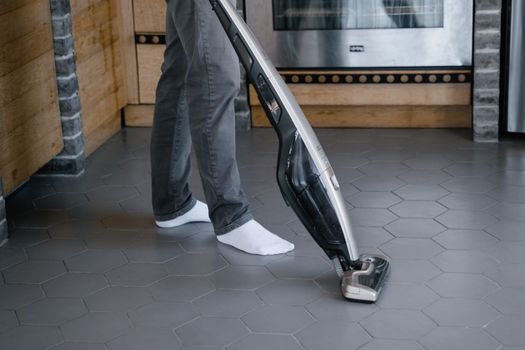
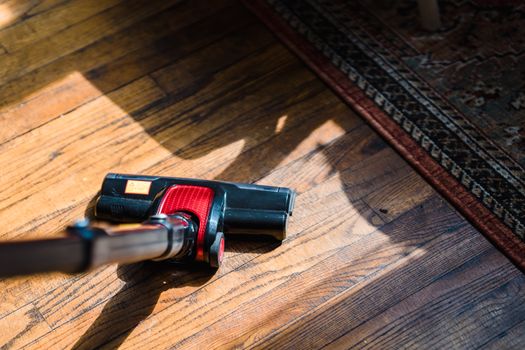
- Vacuum Attachments are Mandatory: The brush attachment on your vacuum is the single most important tool for this job. It pulls dust away from the surface instead of pushing it around.
- Patience Over Power: Heavy scrubbing will snap slats and tear fabrics. Let the cleaning solutions do the heavy lifting.
Method 1: Cleaning Faux Wood and Vinyl Blinds
Faux wood and vinyl are the most forgiving materials. They can handle a bit of moisture, but they still require a delicate touch to avoid snapping the mechanisms or the slats themselves.
Step 1: The Dry Pass
Close the blinds completely so they lie flat against the window. Attach the soft brush tool to your vacuum. Start at the top left corner and gently run the brush across each slat, moving from top to bottom. Once you’ve completed one side, flip the blinds and repeat the process on the reverse.
Step 2: The Deep Clean
If your blinds have accumulated a greasy layer of grime (common in kitchens), a dry pass won’t be enough. A two-sided microfiber blind cleaner — the kind with prongs that reach both faces of a slat at once — clears dust and grime from top and bottom in a single swipe, which cuts the work in half.
For heavily soiled faux wood, mix a mild solution of warm water and a few drops of dish soap. Dampen a microfiber cloth—do not soak it. You want the cloth barely damp to the touch. Wipe down the stubborn spots, then immediately follow up with a completely dry microfiber cloth to prevent water spots.
Method 2: Real Wood Blinds
Real wood is incredibly susceptible to moisture damage. Water will warp the slats and cause the finish to peel or bubble.
Under no circumstances should you ever soak real wood blinds in a bathtub or spray them directly with water.
- Stick to Dry Methods: Rely heavily on your vacuum’s brush attachment or a high-quality microfiber duster.
- Spot Cleaning: If there is a stubborn stain, lightly dampen a cloth with a specialized wood cleaner (like Murphy Oil Soap heavily diluted). Spot treat the area and buff it dry immediately. Never let moisture sit on the wood grain.
Method 3: Cellular (Honeycomb) Shades
Cellular shades are notorious dust traps. The intricate honeycomb structure is excellent for insulation but acts as a magnet for airborne debris and dead insects.
- Gentle Suction Only: Use your vacuum’s brush attachment, but ensure the suction power is turned down to its lowest setting. High suction will deform the crisp pleats and ruin the shade’s structural integrity.
- Blowing it Out: For debris trapped inside the honeycombs, use a can of compressed air. Keep the nozzle a few inches away from the fabric and blast the debris out the other side.
- Spot Treating Stains: If your fabric shades get stained, blot—never rub—the area with a sponge dampened with distilled water and mild dish soap. Rubbing will cause the fabric to pill and fray.
Routine Maintenance
The secret to keeping your window treatments looking pristine isn’t a deep, exhaustive scrub every few months. It’s a quick, two-minute dry dusting every time you clean the room. Incorporate the vacuum brush attachment into your regular cleaning rotation, and you’ll almost never have to deal with the headache of muddy, sticky blinds again.
A multi-slat blind duster clears several slats at once.
Hiware Window Blind Cleaner Duster Brush with 5 Microfiber Sleeves - Blind Cleaner Tools for Window Shutters Blind Air Conditioner Jalousie Dust
HIWARE
- This blinds duster is made of high quality sturdy polyethylene, sturdy and durable. 8.5 inches length great for clean yo…
- A handy blind cleaner that does a great job cleaning off the dust. FOR THE HEAVY DUST AND TOUGH TO CLEAN BLINDS, PLEASE…
- Perfect radian arms designed to suit all blinds with 3 blades can clean tops and bottoms of two blinds together. NOT GRE…
- Cut down on your dusting time, the blinds cleaner includes 5 microfiber cloths that can pick up dust more easier and qui…
As an Amazon Associate we earn from qualifying purchases.
Frequently Asked Questions
Q: Can I wash faux wood blinds with water?
A: A barely damp cloth is fine, but never soak them or spray them directly. Too much water gets into the mechanism and the slat edges, causing warping and rusting the tilt mechanism over time.
Q: Why shouldn’t I use all-purpose cleaner on my blinds?
A: Harsh chemicals strip the clear coat off wood blinds and break down the fibers in cellular shades. Match the cleaner to the material — or stick to dry dusting and a damp cloth.
Q: How do I clean dust out of cellular shades?
A: Vacuum on the lowest suction with a brush attachment, then use compressed air to blow debris out of the honeycomb cells. Blot stains with distilled water and a drop of dish soap — never rub, or the fabric will pill.
Q: How often should I clean my window treatments?
A: Dry-dust them every time you clean the room. A deeper clean is only needed once or twice a year, or whenever you can see a visible film or dust line building up.