Best Cordless Drill & Impact Driver Combo Kits
Ranked 20V cordless drill and impact driver combo kits — CRAFTSMAN, Hammerhead, and DEWALT compared on torque, batteries, and warranty.
Read Guide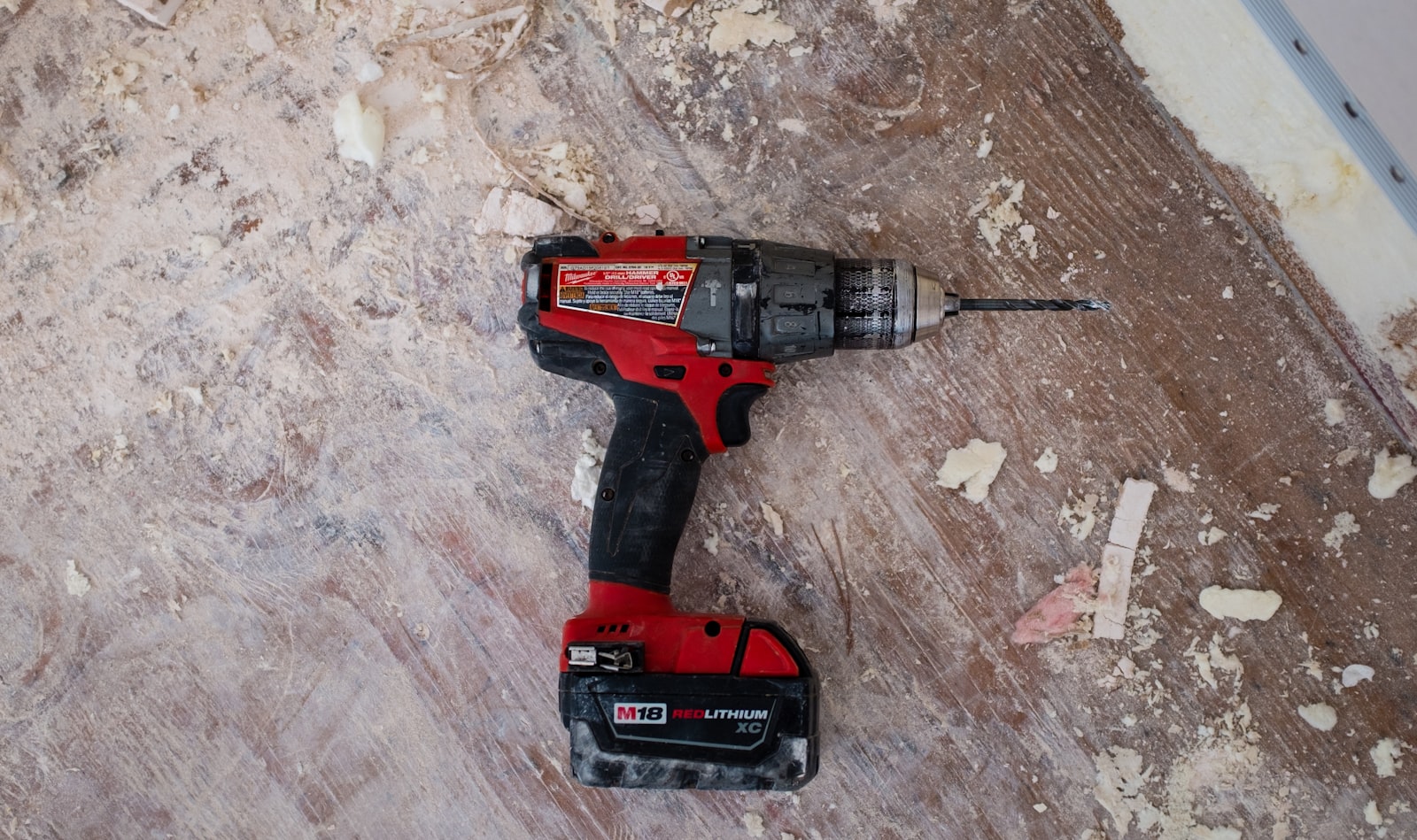
Drills, saw blades, router tables, and dust collection — tool choices and techniques for a workshop that works safely and accurately.
A workshop is only as good as the accuracy of its tools and the safety of its habits. Our tool guides cut through the marketing to what actually matters: which drill combo suits your work, why the right saw blade matters more than the saw, how to set a router table or drill press speed, and how to keep the dust from wrecking your lungs and your work.
We write for people who use tools to build and fix things, not to collect them. Every recommendation is tied to a real task — ripping versus crosscutting, wet cutting tile, gluing wood — so the guidance is grounded in what you're actually trying to do.
The recurring rule is that the accessory and the setup matter as much as the tool. A sharp, correct blade and a dust extractor turn a mediocre tool into a precise one.
Combo kits that match the work — and why impact drivers changed the game.
Choose ripping versus crosscut blades and operate a wet tile saw safely.
Ripping vs crosscut table saw blades: tooth count, grind, and hook angle — and why using the wrong blade bogs the saw and burns the cut.
Read GuideMaster water pump setup, blade alignment, and straight and bevel cuts on ceramic and porcelain floor tile with a wet saw.
Read GuideExtension cords rated for real power-tool loads, indoors and out.
Set up a router table and pick the right drill press speed for metal or wood.
An educational breakdown of router table plate alignment, fence micro-adjustment, and dust collection for cleaner, safer cuts.
Read GuideHow to set drill press speed for different bit sizes and materials — the RPM and feed rules that stop burning, breaking, and dulling bits.
Read GuideCyclone dust collection and tool storage that keep a workshop clean and organized.
Answers on CFM airflow requirements, micron filter ratings, and static grounding for a workshop dust collection system.
Read GuideBest garage wall tool organizers under $35: a 278-piece pegboard hook-and-bin kit, what it cuts to hit the price, and where to spend the extra $10.
Read GuidePVA versus polyurethane — which wood glue actually holds your joint.