How to Clean and Care for Hardwood Floors Without Damaging the Finish
A veteran floor refinisher shares the exact step-by-step methods to clean and maintain hardwood floors without ruining the finish or warping the wood.
Read Guide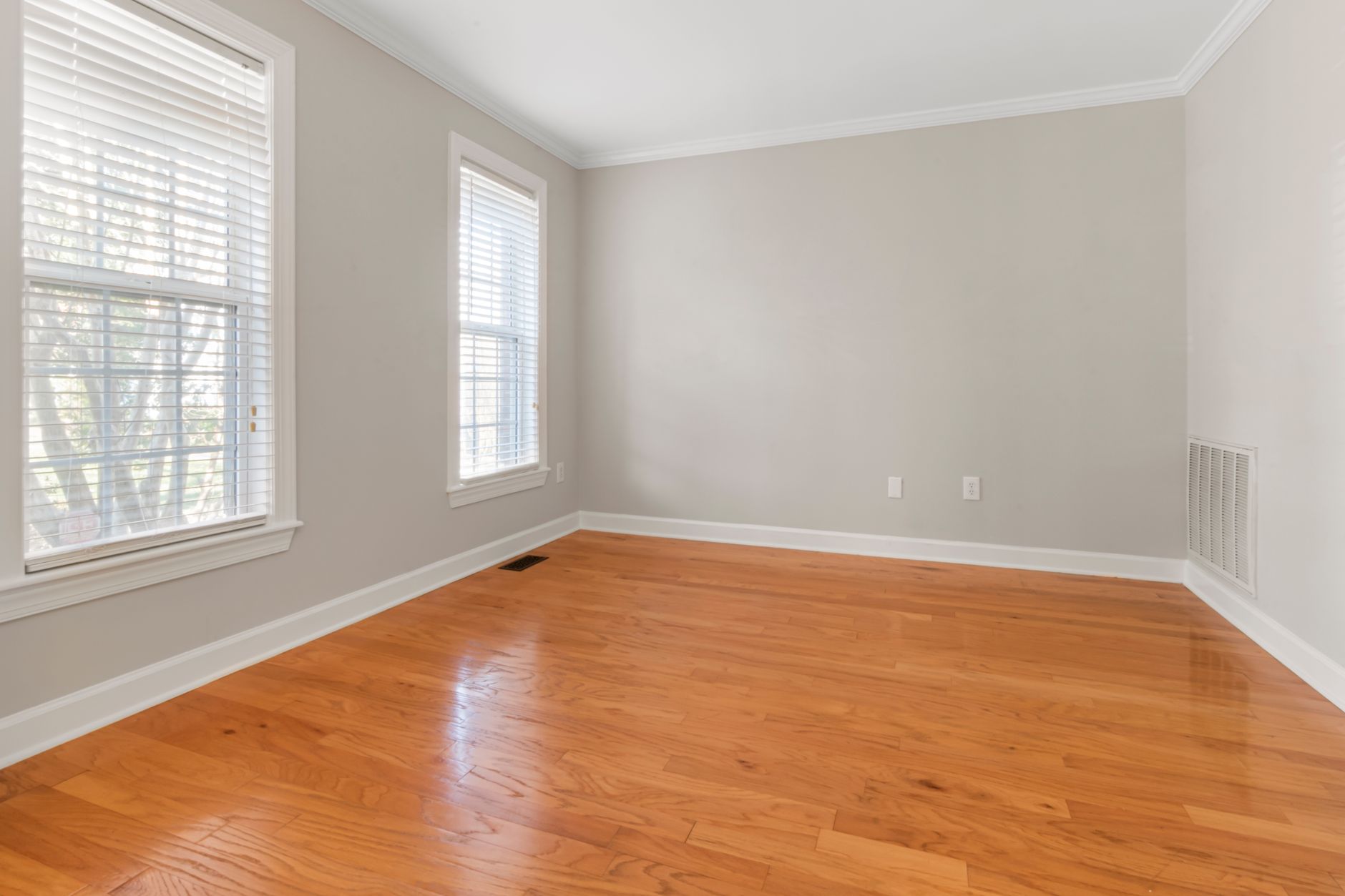
Hardwood care, carpet stain removal, grout sealing, and baseboard cleaning — keep every floor type clean without damaging the finish.
Floors take the most abuse in a house and are the most expensive to replace, so the care you give them now determines whether they look good in a decade or need a full refinish. Our flooring guides are organized by material, because the mistake that ruins hardwood (water, grit) is different from the one that ruins carpet (over-wetting, wrong chemistry) or tile (acid etching grout).
We cover the day-to-day maintenance that prevents damage, the stain and repair techniques that reverse it, and the finishing steps — sealing grout, protecting a wood finish — that lock the work in.
The rule throughout: clean with the material, not against it, and never let a quick fix trade a spot removal for a permanent mark.
Clean and protect a hardwood finish so it lasts decades instead of needing a refinish.
Remove stains without pushing them deeper or leaving a ring behind.
A veteran carpet cleaner shares fail-proof techniques and the best methods to eliminate tough carpet stains without ruining your floors.
Read GuideHow to blot, treat, and extract stubborn carpet stains including wine, pet accidents, and ground-in mud.
Read GuideSeal grout lines so they stop absorbing stains in the first place.
Clean baseboards and the overlooked edges that make a floor look finished.