Smart Home Automation & Bridge System
Clear answers on Matter, Zigbee, Z-Wave, and local hub compatibility — and how to pick a smart home ecosystem that won't lock you in.
Read Guide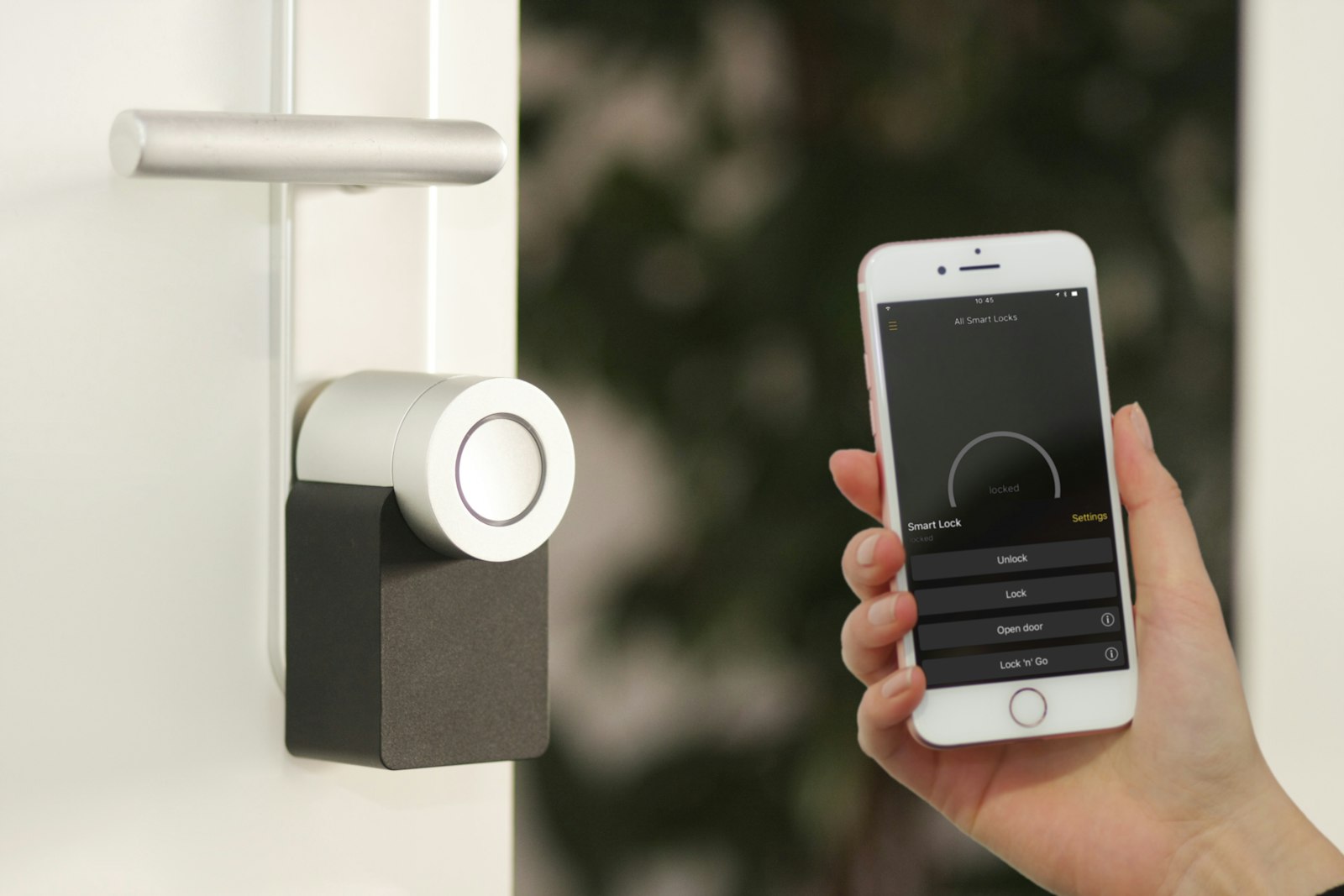
Smart home setup, network security, lighting, and panel basics — electrical guidance that puts safety ahead of convenience.
Electricity is the one home system where "close enough" can burn the house down, so our electrical guides lead with safety: understand the panel, respect the load, and never work on anything you haven't de-energized and verified dead. That foundation makes everything else — smart devices, lighting, network gear — safer and more reliable.
We cover the practical side of a modern home: what your breaker panel is actually telling you, how to install smart lighting without rewiring, how to secure a home network against the very real threats on it, and how to keep a growing pile of smart devices from turning into a troubleshooting nightmare.
The theme is that good electrical work is boring on purpose. The exciting wiring is usually the wiring that fails.
Set up hubs, manage multiple devices, and add smart lighting without touching the wiring.
Clear answers on Matter, Zigbee, Z-Wave, and local hub compatibility — and how to pick a smart home ecosystem that won't lock you in.
Read GuideA veteran smart home installer's guide to managing multiple smart devices, fixing network issues, and setting up reliable automations.
Read GuideUpgrade your home's ambiance with smart lighting without touching a single electrical wire. Learn the safest and most effective methods for renters and DIYers.
Read GuideStep-by-step tutorial for mounting low-voltage LED channel strips and wiring dimmable drivers.
Read GuideUnderstand your panel, prepare for outages, and size a backup generator the right way.
How to read your home electrical panel: main service amperage, single-pole vs double-pole breakers, and what GFCI/AFCI protection actually does.
Read GuideA comprehensive, step-by-step checklist to prepare your home for a grid failure, focusing on safety protocols, emergency lighting, and essential supplies.
Read GuideBackup generator vs portable power station: what each powers, fuel vs battery costs, and why a 292Wh station handles blackouts a gas generator can't.
Read GuideSecure your home network and declutter the digital chaos that breeds real hazards.
Step-by-step instructions to lock down your router, Wi-Fi, and smart home devices to prevent unwanted intrusions.
Read GuideA meticulous home inspector's guide to organizing your cables, routers, and digital devices without compromising electrical safety or blocking essential alarms.
Read GuideFlood and security lighting that actually helps — placement and product choices that matter.